Written and clinically reviewed by Dawn Cox, Registered Clinical Counsellor, BCACC #3555 · Published November 4, 2026
Online couples counselling in BC works much like meeting in an office: you and your partner sit together in front of one screen, and a counsellor guides the conversation by secure video. With the Gottman Method, the structure stays the same online, starting with an assessment of your relationship and moving into regular sessions that focus on conflict, trust and connection.
For many couples, the hardest part of starting counselling is not the conversation itself. It is lining up two work schedules, finding childcare, driving across town and getting home again with enough energy left for each other. Video sessions remove most of that. This article explains how online couples sessions run, how to set up your space, and how to decide whether online or in person suits the two of you better.
Who Chooses Online Couples Counselling
Couples come to online sessions for practical reasons more often than anything else. Some common situations:
- Busy households. Young children, shift work or long commutes make a weekly drive into Victoria hard to sustain.
- Living outside Victoria. Couples up-Island, on the Gulf Islands, in the Interior or elsewhere in Canada can work with a counsellor they would otherwise be too far from.
- Living apart for a while. Work travel, a temporary separation or a long-distance stretch can mean partners join from two places.
- Feeling more at ease at home. Some people talk more openly from their own couch than in an unfamiliar room.
- Health and energy. Chronic pain, fatigue or a recent injury can make travel the most draining part of a session.
None of these mean the work is lighter or less serious. The aim is the same as in person: to understand the patterns that keep you stuck and to practise new ways of talking to each other.
How Gottman Method Sessions Work by Video
Dawn has completed Level 2 training in Gottman Method Couples Therapy, and the sequence she follows does not change when sessions move online. If you would like a full picture of the method itself, our article on what to expect in Gottman couples counselling walks through each stage. Here is how it looks on a screen.
The first joint session. You join together, usually side by side on one device. This session is about what brings you in, what each of you hopes will change, and how sessions will run. It is also a chance to ask questions and get a feel for whether the fit is right for both of you.
Individual sessions. Each partner then meets with Dawn on their own. Online, this simply means one of you joins while the other is out of the room or out of the house. These conversations help Dawn understand each person's history and perspective.
Questionnaires. Gottman assessments include questionnaires that each partner completes separately, often online and in your own time. Answer them on your own, without comparing notes first.
Ongoing joint sessions. From there, you meet together regularly. Sessions can include practising conversations in real time, with Dawn slowing things down when a discussion starts to escalate and helping each of you say what you need in a way the other can hear.
Session lengths are the same online and in person. Couples sessions are usually longer than individual ones so both partners have time to take part, with 50, 75 and 100 minute options depending on the work you are doing.
Setting Up Your Space at Home
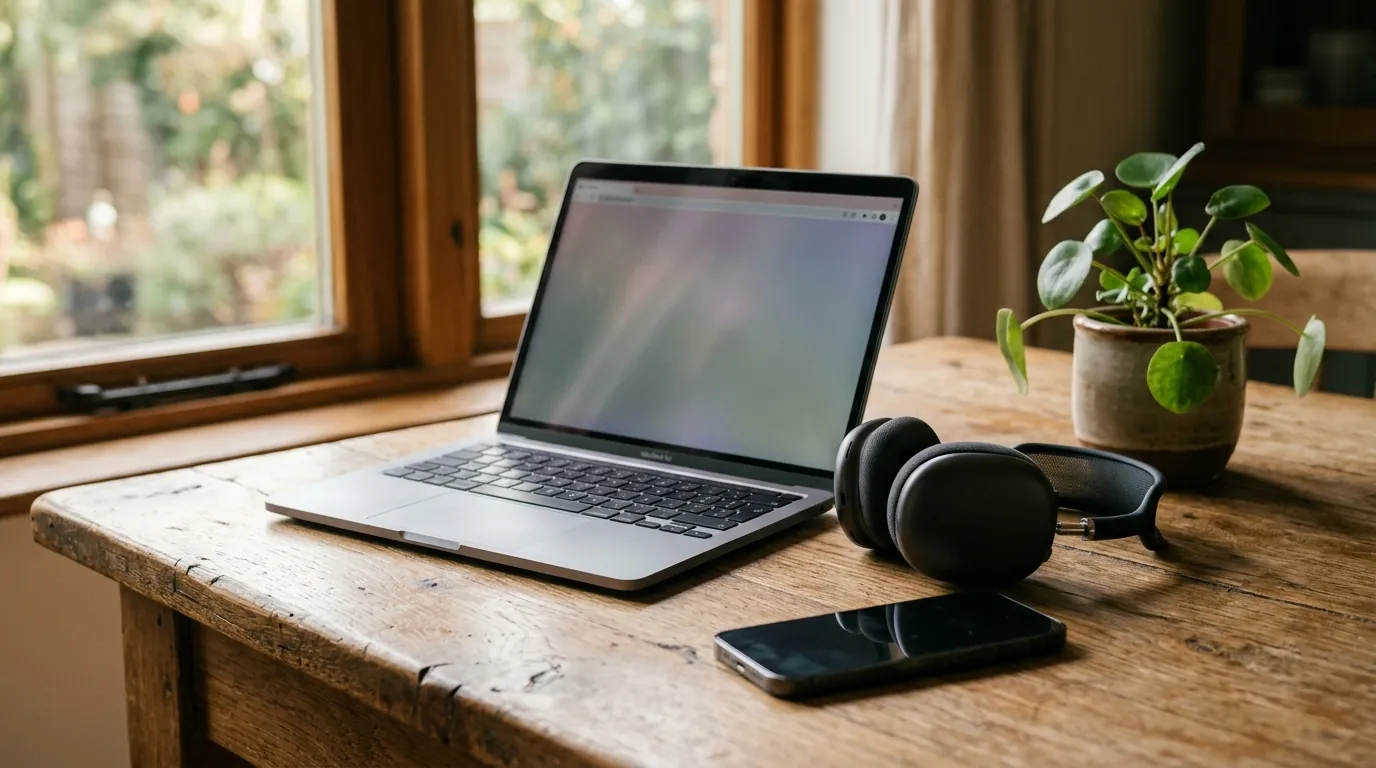
A little preparation makes online sessions feel calmer and more private. Before your first appointment:
- Choose a room with a door. Pick a space where children, roommates or family members cannot overhear. A bedroom or a home office often works better than an open-plan living room.
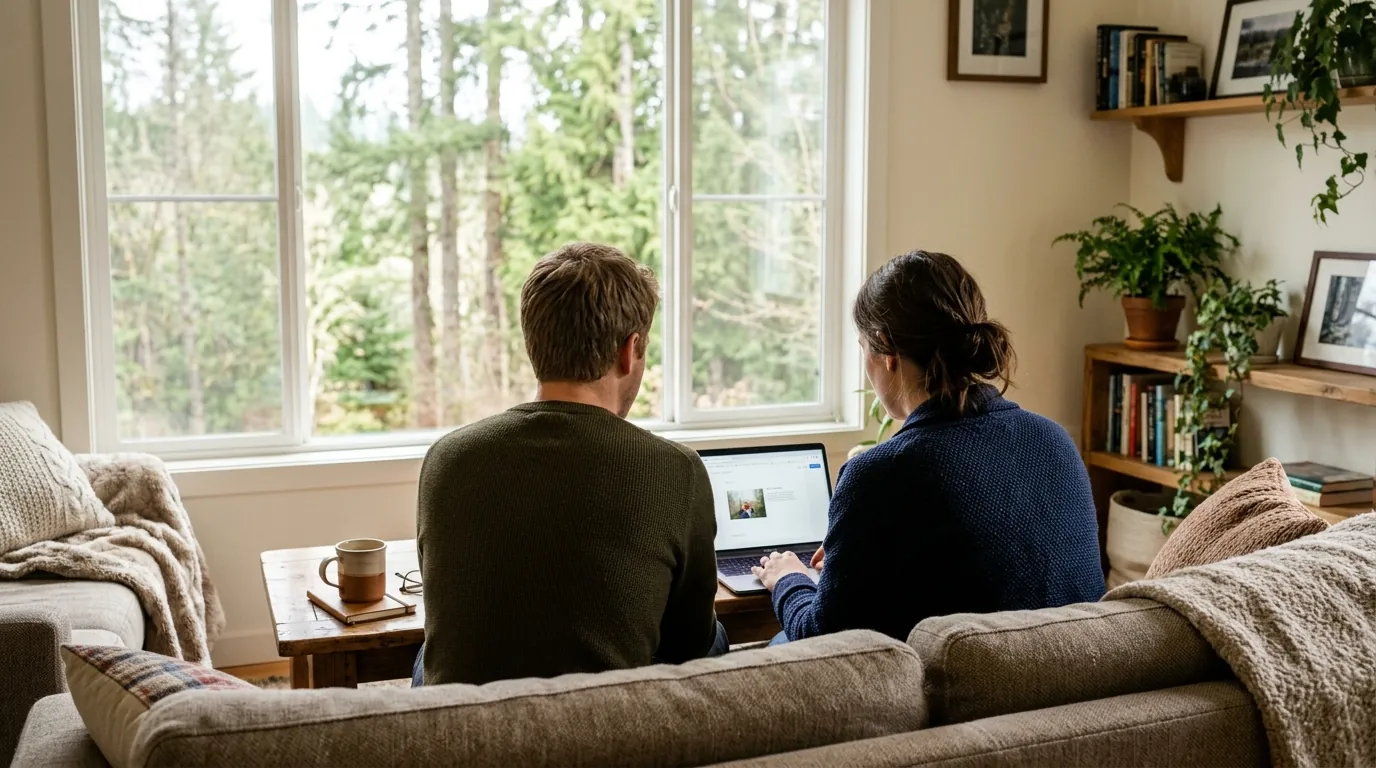
- Use one screen, side by side. Sitting together in front of a laptop lets the counsellor see both of you and lets you see each other's reactions. A phone propped on a table is usually too small for two people.
- Check sound and light. Sit facing a window or lamp rather than with one behind you. Headphones help if you are joining alone; for two people, a laptop's speakers in a quiet room are usually fine.
- Have a phone nearby. If the video connection drops, you will agree on a backup plan beforehand, which usually means a phone call.
- Confirm your location. At the start of a session you may be asked where you are. This supports an appropriate safety plan if it is ever needed.
The session platform and connection instructions are confirmed directly before your first online appointment. You can read more on our online counselling page.
What If You Are in Two Different Places
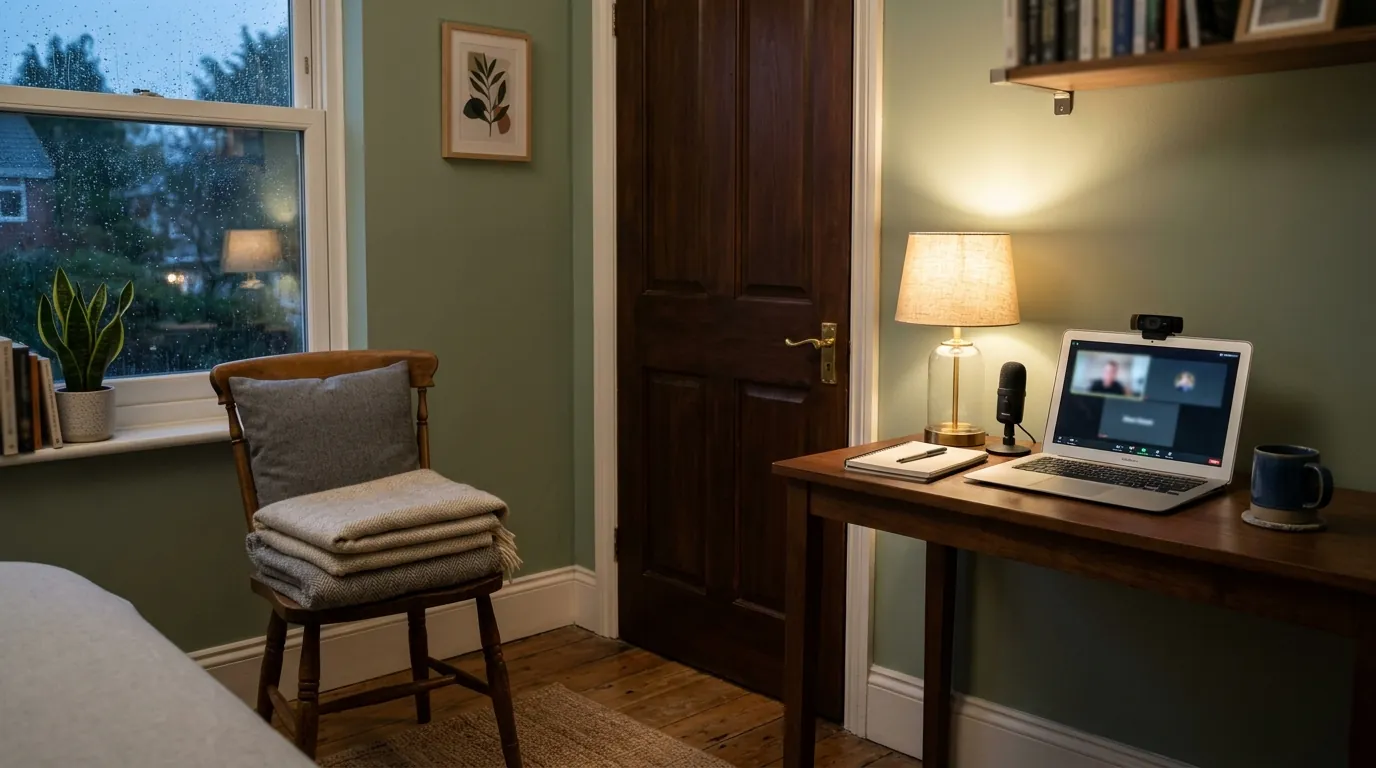
Sometimes partners cannot be in the same room, because one of you travels for work or you are living apart for a time. Online sessions can still go ahead with each of you joining from your own device.
It helps to keep a few things in mind:
- Each person needs their own private space, not a shared office or a café.
- Video delays make it easier to talk over each other. Expect the counsellor to guide turn-taking more actively.
- Plan time after the session. When you are not in the same place, you cannot simply sit together afterwards, so a short check-in call later in the day can help.
If you are living apart because of conflict or safety concerns, say so at the start. That shapes what kind of support is appropriate.
Online or In Person: How to Decide
Dawn offers couples counselling in person in Victoria and online across Canada, and many couples use a mix of both. Some questions to talk through together:
- Where do we each feel most able to speak honestly? For some, home feels safe. For others, home is where the arguments happen, and a neutral room helps.
- Can we get real privacy at home? If not, an office may be the better choice, at least for the harder sessions.
- What will make it easier to keep going? Counselling tends to help most when sessions happen regularly. Pick the format you can sustain.
- What happens after a session? Driving home together can be a useful buffer. Online, you are already home, so plan a short walk or quiet time before you return to the rest of the day.
The Gottman Institute makes a point worth considering: online, "sessions happen in the environment where the relationship actually lives" (The Gottman Institute: Why Vetted Gottman Training Matters in Online Therapy). Practising a calmer conversation at your own kitchen table can make it easier to repeat that conversation later in the week.
Online sessions are not the right fit for every situation. If there is violence or fear in the relationship, or if one partner does not feel safe speaking openly at home, couples sessions may not be appropriate. Dawn will talk with you about what fits your circumstances.
Practical Questions Before You Book
- Fees. Current fees are confirmed directly before you book. You can find out more on our fees page.
- Insurance. Coverage for Registered Clinical Counsellor services varies by insurer and plan. Check whether your plan covers services from an RCC registered with BCACC, and whether couples sessions are included.
- Booking. Appointments are booked online through Jane, and you can request either format.
- If only one of you is ready. Individual counselling can still help you understand your part in the pattern and decide what you want next.
- Questions to ask any couples counsellor. What training do you have in couples work? Do you meet with each partner separately? How do you handle it when a conversation becomes heated on video?
If You Need Help Right Now
Counselling is not a crisis service. If your safety is at immediate risk, call 9-1-1. For suicide crisis support anywhere in Canada, call or text 9-8-8. Our crisis and emergency resources are listed on the contact page.
Taking the First Step
Starting couples counselling does not have to wait until you can both get to an office on the same afternoon. A first online session is a conversation about what is happening between you and whether this kind of support feels right.
Dawn Cox is a Registered Clinical Counsellor (BCACC #3555) offering couples counselling in Victoria and online across Canada, using the Gottman Method. If an affair is part of what brought you here, our article on couples counselling after an affair may also help.
This article is general information, not individual advice. If you would like to talk about whether online couples counselling could help, learn more about couples counselling or contact Dawn Cox Counselling to book a first session.